by retargeting | Apr 4, 2016 | E-commerce trends
Remember Spike Jonze’s movie, “Her”, where the main character starts developing a really intense relationship with a computer? Everything was the result of an algorithm which was able to read human emotions and adapt to the user’s personality. Of course, this was happening somewhere in the future, but what are the odds of seeing something similar happening soon? Nowadays, a lot of the sites and apps we’re all using daily, like Google, Facebook or Instagram are using advanced algorithms, able to display information tailored to each individual. It’s true, we’re still far from breaking the barrier in human-machine communication, but we’re getting closer to doing it with each day. Let’s take Google for example. It’s no secret that they’re using one of the most complex algorithms ever created and each user sees different results when making them same search, based on their history. Also, Facebook has started showing updates in your news feeds based on the friends and pages you interact with the most, while Instagram did a similar thing this week. But how close are these giants to being able to read emotions? A team of scientists, led by David Bamman and Noah A. Smith, managed to find an answer regarding the relation between words and the emotions they evoke. They believe that not only the given statement should be examined, but also the context in which something is said. The scientists started on Twitter, examining tweets which contained the hashtags “#sarcasm” and #sarcastic” and it turned out that the authors’ profiles and target audiences were the most important factors shaping the meaning. Currently, the results of the...
by retargeting | Mar 31, 2016 | E-commerce trends
You know what they say, the first impression always matters. Well, the same thing goes for your website. Nowadays, having a great landing page is essential for your business, as it can influence essential aspects, like bounce rate, abandonment rate, ROI and the list could go on, but we don’t want to waste your time. After all, you’re here because you want to find out what can you do in order to have one of those awesome landing pages, right? From the beginning, we must tell you that creating a great landing page is not an easy job, since there are a ton of components you should keep in mind, not to mention that you should also think about a few psychological aspects that make that user stay or leave. Considering this, let’s make one thing clear: there’s no such thing as the perfect landing page or a secret recipe on how to attract buyers like a magnet. Still, over the time, we managed to gather some experience and we want to share some tips that will definitely help you in this process. So, without much further ado, here are the essential elements you should have in mind when optimizing landing pages to increase conversion, lead generation, and sales. Have an attractive headline Neil Patel likes to call it “killer headline”, claiming that this is where everything begins – interest, attention and understanding. And we kind of agree with him, since this is basically the first element that grabs any visitor’s attention. The headline should be short and concise, accompanied by a subheading informing what the product or service...
by retargeting | Mar 29, 2016 | E-commerce trends
Nowadays, there’s a tendency among companies to rely just on inbound marketing for lead generation, which, in our book, is not that OK. Now don’t get us wrong, as this is a great approach, but the idea is that leads can be generated through other methods as well, like some amazing pieces of content or attractive landing pages! Still, let’s not forget that lead generation is just a part of inbound marketing, as, in the end, most marketers won’t be satisfied just with converting leads. No, not at all! They want to nurture these leads, in order to be ready for sales immediately. But there’s one problem: nurturing leads ain’t that easy. Starting from the idea that you’ve reached this page being aware of the importance of having an effective lead nurturing strategy, we’ve put together a short list with tactics that we consider the best. Let’s get it on! Create targeted content You know what they say, “content is king”, so we had to start with this one. According to the folks over HubSpot, leads nurtured with targeted content produce an increase in sales opportunities of more than 20%, which is a pretty impressive number. But hey, if you want to use targeted content in order to nurture leads, it’s not as easy as creating a simple blog post. A real business understands its buyer personas, so the content it creates should nurture each of these personas. Keeping it short, you need to deliver the right content, to the right people, at the right time. Send personalized emails We’ve talked about email plenty of times and we’ll keep...
by retargeting | Mar 24, 2016 | E-commerce trends
You can say that you’re running a great business only if your clients are great as well, but since we don’t live in a perfect world, not all of them are like this. But don’t worry, as people always change and so can your clients, if you develop and maintain a strong relationship with them. Companies able to do this are the ones you hear all day about, while the ones that don’t make a priority out of their clients fall of pace, and, eventually, don’t resist on the market that much. Keeping it short, customers can be considered your greatest asset and the fact that retaining a current customer costs less than acquiring a new one is known by any marketer. And in order to retain them, you need to provide value on a consistent, ongoing basis. Here you can find a few tips for developing productive and enduring relationships with your clients. Oh, and if you’re not applying them already, make sure you at least consider them for the near future! Be honest No long-term relationship has a future if the two parts implied in it aren’t honest to each other. And the same goes for your business. Remember, your clients can easily figure out when you’re trying to manipulate them and this can easily ruin your reputation and eventually make them lose their trust in your brand. And you know that once lust, trust is pretty hard to be won again, right? Your clients are more than clients Forget about the idea that a client is just a revenue stream. They’re all unique, with their own...

by retargeting | Mar 21, 2016 | E-commerce trends
Lately, when put in front of creating a new content marketing strategy, a lot of people are still hesitating when it comes to deciding if video content is something worth investing in. If you’re one of them, listen up close, as we’re going to say this only once: video is the future of content marketing! It has already started taking the marketing by storm, but in order to unleash its full potential, you need to do more than just create one and upload it. Still, in order to better understand what including video content in your strategy means, we’ve put together a list with both advantages and disadvantages. Let’s begin, shall we? It’s perfect for telling stories It’s obvious that if you want to transmit a message about your brand, a good video does it way better than any other medium, since it’s using both sight and sound sense to help viewers process the idea behind it. Not to mention that just a few seconds of video content can deliver way more than an image can do! It’s easily shared Due to its tendency of being short – let’s say an average of one minute – video content allows a potential buyer to watch it, process the information you’re delivering and also share it with other potential buyers in less than five minutes. People will consume more and more video content Relying on video content is a future proof strategy. According to a study from Sales Force, made in 2015, by 2017, 74 of all Internet traffic will be video. Video formats like Instagram, Snapchat or Vine will become...
by retargeting | Mar 11, 2016 | E-commerce trends
The world of online marketing is filled with stats and one of the most impressive – if not shocking – ones says that 97% of a website’s visitors will not buy anything from what you’re selling. And man this sounds bad when you imagine what kind of potential all that traffic landing on your site has… Still, let’s not forget that we’re talking about website, where it’s pretty much impossible to have somebody who knows your potential customers’ preferences and traits to greet…wait, actually, this is possible! No, we’re not saying that you should hire somebody to actually greet them, but rely on e-commerce personalization, a tactic that can increase your orders significantly. Today we’re going to talk about some of the most popular personalization methods, perfect for making your visitors feel like they really matter to you and consider you a brand that can satisfy their needs. Recommended products Ever noticed how Amazon always suggests products that you might be interested in, placing them almost anywhere, including the shopping cart page? That’s one of the best examples of personalization in action. Oh, and Amazon isn’t the only retailer doing this, since personalized recommendations work across all e-commerce sectors. Abandoned cart messages A lot of customers can end up with all the products they want to buy in the cart, but suddenly, they make up their mind and leave that poor little cart alone in the dark, with all the products in it. And that’s not how shopping carts should be treated! In order to save the poor things, a personalized remarketing message encouraging customers to return to your...
by retargeting | Mar 7, 2016 | E-commerce trends
We can actually remember how many articles and studies stating that “content is king” we’ve read in the past year. Still, we’ve never wondered, not even once, why people keep saying this. Because they’re absolutely right and content is freakin’ king nowadays! “Ok, but how can content help an ecommerce website?” you will ask. Oh, my sweet summer child, you have no idea about the real power of a nicely written piece of content… For example, besides raising brand awareness, content marketing can help brands in their SEO strategies, growing their audience, improving social reach and, most important, selling more! Below you can find a few examples of how some of the most famous brands went content in order to deliver some amazing results. Let the show begin! Mr. Porter We’re talking about a men’s clothes store here, nothing interesting until now. Still, besides their online shop, these guys have a section called ‘The Journal’, loaded with high quality articles. One of them was with The Special One, Mr. Jose Mourinho himself. The former Chelsea FC manager answered a few questions and was shown wearing some of the items available in the shop. What better way to make a brand more attractive than convincing a celebrity to endorse it (in some way or another) and write an article about this on your website? ASOS Yes, the second example belongs to another clothes retailer, so what? The folks over ASOS know how to keep their audience, fact proven by the articles they’re publishing on their website. Besides using images with celebrities – because come on, almost everybody likes to read...
by retargeting | Mar 4, 2016 | E-commerce trends
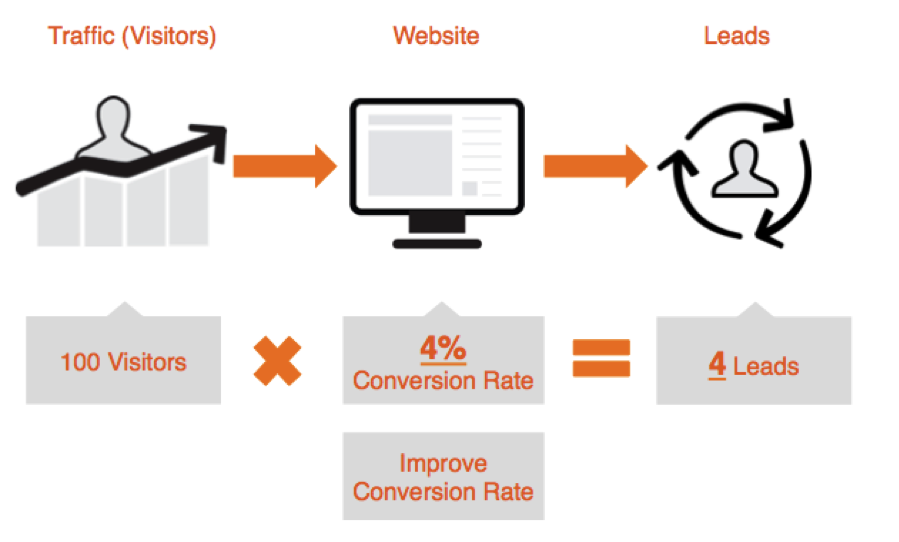
“I want to increase my conversion rate!”, “My conversion rate is not big enough”, “Only if that conversion rate would be higher…” This is one of the most common problems when it comes to online marketing and you are not the only one complaining about it. The thing is that most marketers aren’t aware of the fact that a few tweaks, very simple, actually, can lead to great improvements when it comes to conversion rates. For example, if your rate is now 2%, implementing them can lead to 3%. That’s a 50% performance increase! Let this sink in a bit… So, without much further ado, we’ve put together a few tips on how to increase conversion rate which don’t require that much time and with high chances on shaking up a bit your performance. Don’t use jargon You weren’t expecting us to start with such thing, isn’t it? When people enter your site, they don’t want chunks of text made up from complicated business expressions and so on. No, they want everything to be as clear as possible. Remember, some of them might not be aware of the meaning of those terms and you can end up losing important clients. Instead, explain everything like you would to a close friend or to somebody who doesn’t know anything about your niche. Clarity sells, remember this! Transmit value Or, to be more specific, you need to convince anybody who might be interested in your products or services that buying would come alongside a ridiculous amount of benefits. According to multiple studies, people are more interested in buying a product which has...
by retargeting | Feb 29, 2016 | E-commerce trends
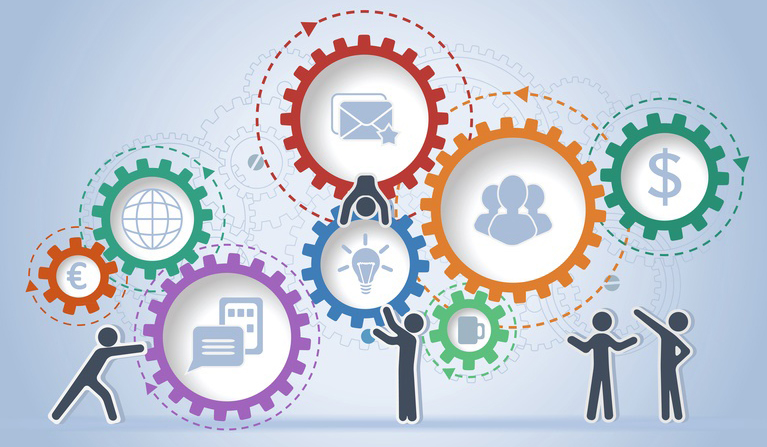
One of the relatively new marketing concepts, apparently very popular lately, is marketing automation. In a nutshell, it refers to a specific software with the purpose of automating marketing actions, which otherwise would require a lot of time and manual labor in order to be completed. Of course, the definition presented above is just one of many, as, according to the folks over QuickSprout, plenty more were given. You do know those moments when you need to send a ton of emails, post updates on multiple social media pages or make the same changes on your websites? Well, this is where marketing automation comes in, making everything way easier. Basically, you will be able to create a whole sales ecosystem. Sounds good, right? I mean, who doesn’t want to sit back all day long and have all the marketing tasks done? The whole idea behind using marketing automation for your business is to allow companies to buy and sell like some of the biggest retailers, like Amazon, for example, do. To be more specific, they want to be able to exploit prospects, using highly personalized content, transforming them into customers and customers into delighted customers, always looking forward to get back to you and buy again. This scenario presented above is pretty much the ideal, as it can generate a pretty nice amount of revenue for companies, alongside providing an excellent ROI. Still, it doesn’t always happen like this. In order to generate revenue, you need to drive traffic to your website, convert that traffic into leads and finally close those leads into customers. Where marketing automation is ready...
by retargeting | Feb 25, 2016 | E-commerce trends
You’ve heard it multiple times from your friends and not only: “If you’re not on Facebook, it’s like you don’t exist”. We wouldn’t take it that far, but we must admit that social media has pretty much turned out to be a pretty important part of our lives. And currently, it’s used for a lot of things, not just keeping in touch with your friends and family. We’re talking business here! Most important business are aware of the power of social media and they’re doing their best to have a strong presence, no matter if we’re talking about Facebook, Twitter, Google+, Pinterest, Instagram or even Snapchat. Of course, it’s obvious that social media it’s excellent for promoting stuff, but what if we go a bit deeper and we told you that it could be one of the top traffic sources for your website? In case you’re the owner of a site who is currently struggling to attract traffic, you’re in the right place, as we’ve put together a list with a few quick tips on how to attract new visitors from social media. Let’s begin shall we? Visual content is always more appealing It’s obvious that the whole idea is to share content from your website, but what most people don’t know is that the most engagement is brought by visual content. To be more specific, image based posts attract 39% more engagement on Facebook, 28% more on Google+ and with up to a whooping 200% more on Twitter. Next time you’re posting an update, make sure you include an image, a GIF, a Vine or any other type...
